Review: Sublimation Autism Mom Awareness PNG for Embroidery
As a designer who spends most of my day digitizing and stitching, I approach every new file with a mix of curiosity and skepticism. When I first pulled up the Sublimation Autism Mom Awareness PNG, my initial reaction was to appreciate the sentiment. The design carries a warm, supportive mood that resonates deeply with the community it serves. However, my job isn't just to admire the art; it's to determine if this graphic can survive the transition from a flat digital image to a textured, stitched finished product. While this file is categorized under Crafts and Graphics, intended primarily for sublimation, I wanted to see if it holds up as a reference for a custom machine embroidery design or if it requires significant rework before hitting the hoop.
First Impressions and Visual Personality
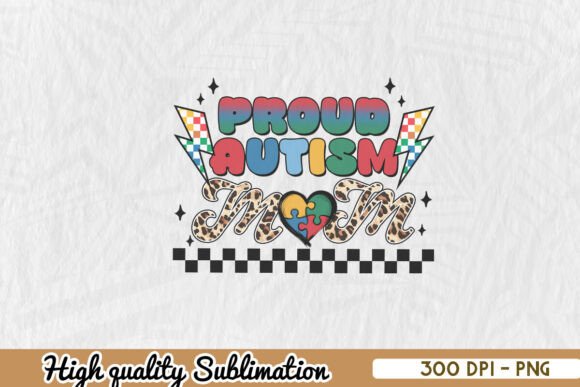
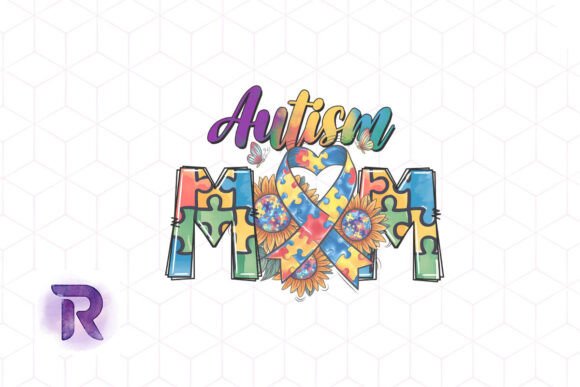
The visual personality of the Sublimation Autism Mom Awareness PNG is gentle yet bold. It typically features the infinity symbol, often intertwined with puzzle pieces or hearts, rendered in the recognizable autism awareness color palette. For an embroiderer, the layout feels organic, which is excellent for flow but presents challenges for stitch definition. The shapes are fluid, suggesting that if converted into an embroidery file, it would rely heavily on satin stitch columns for the outlines and perhaps a light fill stitch for the interior blocks of color. The detail level is moderate; it's not so intricate that it becomes a nightmare on small hoops, but it's detailed enough to demand precision. This isn't a design for a quick, low-density run; it needs weight to look professional.
Real-World Application: The Custom Tote Bag Scenario
To truly test the viability of this design, I imagined a specific real-life scenario: a custom order for a local support group needing branded tote bag designs for an upcoming walk. The client wants something durable, washable, and visibly proud. Using the Sublimation Autism Mom Awareness PNG as a direct template for sublimation on a polyester blend tote is the obvious route, and it would work beautifully there. But what if the client prefers cotton canvas? That's where the embroidery angle comes in.
If I were to digitize this based on the PNG for a canvas tote, the thick fabric texture would actually help mask minor imperfections in stitch density. The bold lines of the awareness ribbon would pop against a natural or navy background. However, I would need to be careful with the thread colors. Sublimation files often use gradients that don't translate directly to thread spools. I'd have to simplify the color stops, perhaps using a variegated thread to mimic the depth found in the original graphic. For a handmade product like this, the tactile quality of the stitching adds a layer of value that a printed image simply cannot match. It signals to the recipient that time and care were invested, boosting the perceived value of the small shop product.
Navigating Fabric and Hoop Constraints
One of the critical factors in evaluating any design asset is knowing where it might fail. The Sublimation Autism Mom Awareness PNG has a horizontal orientation that fits well in standard hoops, but caution is required when scaling down. If you attempt to stitch this as a baby embroidery piece on a onesie, the small hoop size might force you to shrink the design to a point where the fine details of the puzzle pieces or text (if included) become indistinguishable blobs of thread. On stretchy fabrics like jersey knits used for t-shirts, the stitch density must be managed carefully. Too dense, and the fabric will pucker; too light, and the backing shows through, ruining the crisp look of the awareness symbol.
Curved surfaces present another hurdle. Applying this to a cap requires a different digitizing strategy than a flat pillow cover. The curvature of a hat can distort the circular or infinity elements of the design. Furthermore, dark fabrics pose a challenge if the original PNG relies on transparency. In embroidery, you cannot "print" white ink; you must stitch it. This means adding an underlay or a white base layer, which increases the thickness of the embroidered patch feel. For items like aprons or kitchen towels that undergo frequent washing, the durability of the stitch types chosen during digitization becomes paramount. A running stitch might be too fragile, whereas a well-programmed satin border would ensure longevity.
Enhancing Brand Consistency and Customer Trust
For Etsy sellers and creative entrepreneurs, consistency is key to building brand trust. Using a high-quality source image like the Sublimation Autism Mom Awareness PNG ensures that whether you are selling a sublimated mug or an embroidered sweatshirt, the core branding remains identical. This recognition fosters buyer engagement. When a customer sees the same crisp, clear logo across your custom apparel and home decor lines, it reinforces professionalism. It tells them you aren't just slapping files onto products; you are curating a cohesive collection. This attention to detail transforms a simple transaction into a relationship, encouraging repeat business for future holiday embroidery gifts or personalized orders.
Practical Notes for the Working Designer
Before committing this design to a client project, there are several practical steps every designer should take. First, always test the design on scrap fabric that matches your final material. This allows you to check the stabilizer requirements and ensure the thread tension is balanced. Second, review the design in black and white mockups. This helps identify contrast issues that might be hidden by color in the original PNG. Third, confirm the licensing terms. While the description mentions the file is perfect for printables and transfers, using it as a basis for commercial embroidery assets may require specific permissions depending on the marketplace rules.
- Check Stitch Density: Ensure the digitized version isn't too heavy for lightweight fabrics.
- Verify Hoop Size: Confirm the design fits your available hoops without excessive re-hooping.
- Inspect Small Details: Tiny elements in the PNG may need to be enlarged or simplified for thread.
- Test on Dark Fabrics: Plan for appropriate underlay stitches to make colors pop on black or navy.
- Confirm Licensing: Double-check if the license covers finished physical goods versus digital resale.
In conclusion, the Sublimation Autism Mom Awareness PNG is a versatile starting point for a variety of design assets. While it shines in its native sublimation format, its true potential for the embroidery community lies in how thoughtfully it is adapted. With careful consideration of fabric texture, stitch type, and placement, this graphic can evolve from a simple digital file into a meaningful, tactile tribute suitable for any commercial embroidery catalog or personal gift collection.