Bonus Mom of the Baby Bee: A Designer's Review
As a designer who spends more time staring at stitch maps than most people spend on their phones, I am always skeptical when a new machine embroidery design lands in my inbox with promises of being "ready to print" and fully customizable. Today, I am taking a close look at Bonus Mom of the Baby Bee Girl Cute Bee. This isn't just a quick glance at a thumbnail; this is an evaluation of how this graphic holds up when translated from a vector screen to actual thread on fabric. For Etsy sellers, boutique owners, and hobbyists looking to expand their craft business, understanding the nuance of a design before you commit to stitching it on a client's garment is crucial.
First Impressions: Mood and Visual Personality
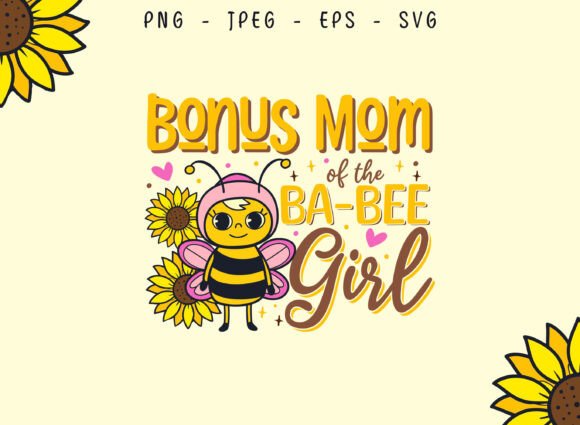
When I first opened the file for Bonus Mom of the Baby Bee Girl Cute Bee, the immediate takeaway was its warmth. The theme strikes a perfect balance between playful and sentimental, which is a hard needle to thread in the world of family-themed graphics. The layout feels organic, avoiding the rigid, clip-art stiffness that plagues so many digital embroidery files. The character design suggests a soft, approachable aesthetic that fits perfectly into the current trend of whimsical nursery decor and personalized family gifts.
The description notes that the graphic is made with 100 vector shapes and is re-sizable. From a design perspective, this is promising. It implies clean lines and distinct color blocks, which usually translate well into satin stitch or fill stitch formats depending on how you digitize it or how the provided file is structured. The "cute bee" motif is timeless, but the specific "Bonus Mom" angle gives it a modern relevance that appeals to blended families—a growing demographic in the handmade product market.
Real-World Application: The Tote Bag Test
To truly evaluate this design, I envisioned a specific real-life scenario: a custom order for a "Bonus Mom" receiving a baby shower gift. The client wants something durable yet adorable. I pictured this design stitched onto a heavy canvas tote bag design. Why a tote? Because it offers a flat, stable surface that showcases the details of the bee and the text without the distortion you might get on a curved cap or a stretchy knit.
In this context, Bonus Mom of the Baby Bee Girl Cute Bee shines. The color changeability mentioned in the product details is a massive asset here. If the tote is navy blue, I can easily swap the background elements to ensure the bee pops. If it's a natural beige canvas, I might opt for warmer golds and browns. The ability to adapt the thread colors means this single embroidery project can serve multiple clients with different brand palettes or personal preferences. For a small shop product, this versatility increases your inventory potential without needing to buy ten different designs.
Performance on Apparel and Textured Fabrics
Moving beyond bags, let's talk about custom apparel. I can see this working beautifully on a children's sweatshirt or a adult-sized hoodie. However, this is where a designer needs to be cautious. The product description highlights that it is easy to change colors for dark or white t-shirts. While the vector nature allows for color swaps, the physical stitching requires attention to stitch density.
If you are placing this on a textured fabric like a waffle knit or a fuzzy fleece, fine details can get lost. The "baby bee" elements likely involve small curves. If the embroidery file relies heavily on tiny running stitch outlines, they might sink into high-pile fabrics. My advice? Test this on scrap fabric first. Specifically, test it on the exact material you plan to sell. A design that looks crisp on a screen mockup can look muddy on a thick cotton blend if the underlay isn't sufficient.
For baby embroidery projects, such as onesies or bibs, the scale becomes critical. You must confirm the hoop size compatibility. If the design is too large, it won't fit on a standard 4x4 hoop often used for infant garments. If it is scalable, ensure that shrinking it doesn't compromise the integrity of the text or the bee's wings. Tiny lettering can easily become unreadable if reduced too much, turning a heartfelt message into a blurry mess.
Commercial Viability and Brand Consistency
For the commercial embroidery professional, consistency is king. When you sell a personalized gift, the customer expects the finished product to match the printable mockup they saw online. Bonus Mom of the Baby Bee Girl Cute Bee offers a strong foundation for this because of its clear shapes. Clear shapes mean predictable stitching outcomes.
Using this design in your Etsy listings or craft fair display can elevate your brand's perception. It shows you are attuned to specific family dynamics (bonus moms) rather than just generic "mom" gifts. This specificity builds trust. A customer seeing this design knows you understand their unique family structure. That emotional connection drives sales faster than generic graphics ever could.
However, a word of caution regarding licensing. The product falls under Crafts and Graphics, but before you list finished items or sell the digital file itself, you must verify the license terms. Can you sell unlimited physical items? Is there a cap on revenue? Never assume a "ready to print" label includes full commercial rights without checking the fine print. Protecting your craft business means respecting intellectual property.
Technical Considerations for the Stitcher
Let's get technical for a moment. Even though the source is a vector SVG with 100 shapes, the transition to an applique design or a standard fill design depends on your digitizing software or the included formats. If you are using this as a base for applique, the clean vector lines make cutting fabric pieces straightforward. This adds texture and dimension to the final piece, which often commands a higher price point in boutique settings.
When dealing with dark fabrics, the "100 Color Changeable" feature is vital. You will need to ensure your thread chart includes high-contrast options. A yellow bee on a black shirt is classic, but consider metallic threads for the wings to add a premium feel. Also, pay attention to the stabilizer. For a design with potential dense areas (like the body of the bee), a cut-away stabilizer is often safer than tear-away, especially for items that will undergo frequent washing like kitchen towels or daily wear sweatshirt embroidery.
Final Verdict: Is It Worth the Stitch?
After mentally running Bonus Mom of the Baby Bee Girl Cute Bee through various scenarios—from holiday gifts to boutique branding—my verdict is positive, provided you do your due diligence. It is a design with heart and commercial potential. It fills a niche for blended families while maintaining a cute, universal appeal.
The key to success with this graphic lies in execution. Do not skip the step of stitching a sample. Check how the fabric texture interacts with the stitch types. Verify that the colors you choose provide enough contrast for the design to be legible from a distance. If you treat this design asset with the respect it deserves, testing it on scraps and confirming hoop limitations, it can become a staple in your portfolio.
For the maker who values both aesthetics and practicality, this design offers a solid starting point. It invites creativity through color customization while providing a structured layout that minimizes stitching headaches. Whether you are creating a one-off holiday embroidery gift for a friend or launching a new line of embroidered patch products, this bee has the potential to buzz right off your virtual shelves and into the hearts of your customers.